
Updated November 2026
Eleven turtle courses on BJJ Fanatics, ranked by what they do for you, plus three Craig Jones courses with a turtle volume that we reviewed in full, with clips.
First decide which side of the turtle you need: breaking down someone else’s turtle, or surviving and countering from your own. Most courses do one of the two. The picker below the top three sends you to the right one, gi or no-gi.

Systematically Attacking the Turtle Position
No-gi: break the turtle down, get your hooks in and take the back. Eight volumes, the last two live rounds.
View on BJJ Fanatics Read full review
The Turtle Guard Revisited
Gi bottom turtle: survive the seatbelt, then come on top with the steamroller and the leg trap.
View on BJJ Fanatics Read full review
Protecting & Generating Dynamic Offense From The Turtle
Stop losing your back from turtle: posture, hooks, the harness and the truck, then back to guard or up.
View on BJJ Fanatics Read full reviewWhich turtle course do you need?
Pick the problem you have on the mat. Each line goes to the course for it.
- You want to break a turtle down and take the back, no-gi: Gordon Ryan’s Systematically Attacking the Turtle Position (#1). Front headlock first: #5 Neil Melanson, or see our best front headlock instructionals. Short and $79: #6 Firas Zahabi.
 Same job in the gi, with the clock choke and the crucifix: Roger Gracie’s Turtle Attack System (#4). Top and bottom for $47: #7 Travis Stevens.
 He turtles, then posts on his hands and stands up: Craig Jones’ The Anti-Wrestling Equation, reviewed in full below.
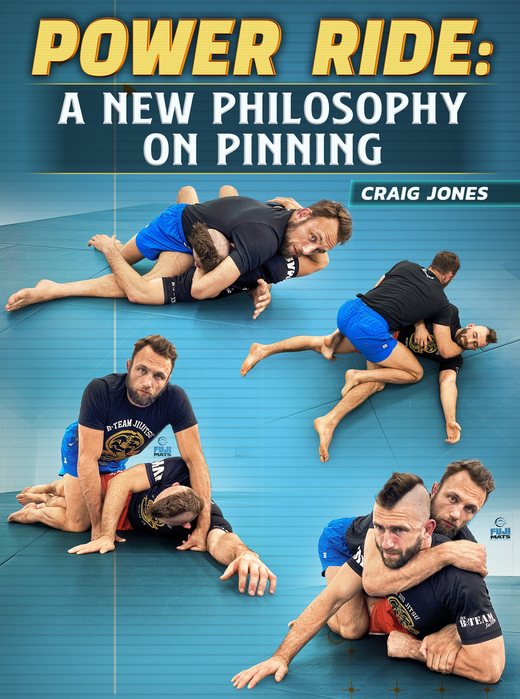 He turtles and stalls, and you want to ride him instead of waiting: Craig Jones’ Power Ride, Volume 4, reviewed in full below.
- You end up in turtle and want to counter, in the gi: Eduardo Telles’ The Turtle Guard Revisited (#2). No-gi: Octopus Guard 2.0, Volume 4, reviewed below.
- You end up in turtle and keep losing your back: Priit Mihkelson’s Protecting & Generating Dynamic Offense From The Turtle (#3). Seatbelt and tight waist only: Volume 8 of #10 John Danaher.
📋 Jump to a course (Click to expand)
🥋 #1 Systematically Attacking the Turtle Position by Gordon Ryan
Instructor: Gordon Ryan
Style: System Based
Best for: Advanced
Format: No-Gi
Runtime: 8 hours and 21 minutes
Volumes: 8
Biggest takeaway: Break down before finishing
Techniques: Back Takes, Crucifix, Power Half Nelson
- The Roger Gracie Turtle Attack System – Fundamental gi-first attacks with crisp control for all belts.
- Crack The Turtle – Front headlock and wrestling-flavored offense for no-gi.
- Attacking & Defending The Turtle – Budget-friendly top-and-bottom essentials from an Olympic medalist.
You learn a structured attack chain from breakdown to back takes and chokes. You get precise control mechanics that fit modern pressure passing. You will not get beginner pacing.
✅ Pros
- The most coherent top-turtle finish system available, with tight details.
- Excellent chaining from breakdowns into hooks, crucifix, and chokes.
- Pairs well with passing systems to manufacture turtle reliably.
- Volumes 7 and 8 are live: turtle exchanges with Gordon’s commentary, then full rolls.
⚠️ Cons
- The highest price tag on this list limits accessibility.
- Limited guidance on forcing turtle from standing or scrambles.
- No-gi only: no collar chokes. In the gi, Roger Gracie (#4) covers those.
💡 I ranked this first because it delivers a real, testable system for finishing turtle that scales to competition intensity. Recommendation: Buy it now.
🥋 #2 The Turtle Guard Revisited by Eduardo Telles
Instructor: Eduardo Telles
Style: System Based, Technique Collection
Best for: Intermediate
Format: Gi
Runtime: 2 hours and 32 minutes (turtle: 78 minutes)
Volumes: 4
Biggest takeaway: Turn turtle into offense
Techniques: Seatbelt Defense, Steamroller, Leg Trap
- The Naked Turtle - No-gi take on Telles-style turtle with modern tweaks.
- Protecting & Generating Dynamic Offense From The Turtle - Conceptual defense-first approach to pair with Telles offense.
- Pin Escapes & Turtle Escapes: Go Further Faster - Structured escapes to build around Telles-style recoveries.
You learn seatbelt counters, steamroller variations, and key transitions. You get a veteran's blueprint for turning turtle into offense. You will not get deep no-gi headlock-wrestling coverage.
✅ Pros
- The source of the style: Craig Jones credits Telles for his own turtle and octopus game (see Octopus Guard 2.0 below).
- Covers the seatbelt battle and safe paths back to offense.
- Strong value pricing for a position many schools under-teach.
⚠️ Cons
- Only half of it is turtle: Volumes 1 and 2 (78 minutes). The rest is Telles' passing (surfing and riding). Released in 2018, older than most courses here.
- Grip-dependent sequences may need no-gi substitutions.
- Less front headlock emphasis compared to wrestling-focused sets.
💡 I put this second because Telles gives you the best starting framework to actually trust bottom turtle in gi rounds. Recommendation: Buy it now.
🥋 #3 Protecting & Generating Dynamic Offense From The Turtle by Priit Mihkelson
Instructor: Priit Mihkelson
Style: Conceptual, System Based
Best for: All Levels
Format: Both
Runtime: 2 hours and 24 minutes
Volumes: 4
Biggest takeaway: Defense first, offense later
Techniques: Posture, Hand Fighting, Guard Recovery
- The Sitting Turtle - Priit's panda-style entries and counters built on the same principles.
- Crack The Turtle - More aggressive no-gi offense to complement Priit's defense.
- The Turtle Guard Revisited - Add classic gi offense once you feel safe in turtle.
You learn how to stop the harness, truck, and common chokes. You get frames and movement that buy time and paths back to guard or stand-ups. You will not get a full offense curriculum.
✅ Pros
- Covers the scariest threats to bottom turtle with clear priorities.
- Principles apply in both gi and no-gi without big athletic demands.
- Great companion to offense-driven or wrestling-focused courses.
⚠️ Cons
- Light on proactive submissions despite the title.
- No live rounds, unlike Gordon's Volumes 7 and 8: you test the defenses in your own rolls.
- Less appealing to students who prefer fixed sequences.
💡 I ranked this high because it fixes the fear of turtling, which unlocks every other turtle system. Recommendation: Wait for daily deal.
🥋 #4 The Roger Gracie Turtle Attack System by Roger Gracie
Instructor: Roger Gracie
Style: System Based
Best for: All Levels
Format: Gi
Runtime: 1 hour and 44 minutes
Volumes: 3
Biggest takeaway: Hooks before finishes
Techniques: Clock Choke, Back Takes, Crucifix
- Systematically Attacking the Turtle Position - Advanced no-gi finishing system after the breakdown.
- Attacking & Defending The Turtle - Budget gi option for practical attacks and defenses.
You learn how to open stubborn turtles and secure hooks. You get fundamental chokes and crucifix paths that scale to all belts. You will not get no-gi headlock wrestling.
✅ Pros
- Elite fundamentals explained simply with high retention.
- Strong system for hook acquisition and control sequencing.
- Perfect teaching reference for fundamentals-driven gyms.
⚠️ Cons
- Gi-only focus limits direct application for no-gi specialists.
- Less creative flair than Glover-style sets.
- Not aimed at scramble-heavy or MMA contexts.
💡 I ranked it this high because sound fundamentals from legends stay relevant forever. Recommendation: Wait for daily deal.
🥋 #5 Crack The Turtle by Neil Melanson

Instructor: Neil Melanson
Style: System Based
Best for: Advanced
Format: No-Gi
Runtime: 3 hours and 8 minutes
Volumes: 4
Biggest takeaway: Break posture, cycle threats
Techniques: Front Headlock, Gator Choke, Tilts
- Attacking The Turtle Guard With Wrestlers For BJJ - Budget-friendly wrestling breakdowns and cradle chains.
- Attacking the Turtle Made Easy - Simpler entries and finishes with coaching cues.
You learn to weaponize front headlocks and rides to break turtles. You get tilts, go-behinds, and finishes that deny guard. You will not get gi-specific grips or gentle pacing.
✅ Pros
- Comprehensive headlock system for both top and bottom interactions.
- Excellent at preventing opponents from recovering guard.
- Practical crossover for MMA and wrestling backgrounds.
⚠️ Cons
- Some moves lean on size and strength when your timing is off.
- Terminology and flow can overwhelm newer belts.
- Minimal gi applications included.
💡 I placed it mid-top because it fills the headlock gap most turtle sets ignore. Recommendation: Wait for daily deal.
🥋 #6 Attacking the Turtle Made Easy by Firas Zahabi

Instructor: Firas Zahabi
Style: System Based
Best for: All Levels
Format: No-Gi
Runtime: 1 hour and 18 minutes
Volumes: 2
Biggest takeaway: Keep it simple
Techniques: Spiral Breakdown, Hip Ride, Power Nelson
- Attacking & Defending The Turtle - Gi-friendly breakdowns at a lower price.
- Systematically Attacking the Turtle Position - Upgrade path for advanced competitors.
You learn clean breakdowns, seatbelt usage, and high-percentage finishes. You get coach-style cues that translate for busy hobbyists. You will not get mega-set depth or gi-specific material.
✅ Pros
- Concise roadmap that helps you implement fast.
- Great emphasis on control before submission attempts.
- Affordable and easy to finish in a weekend.
⚠️ Cons
- Limited scope compared to comprehensive systems.
- Mostly no-gi; fewer lapel options.
- Advanced competitors may need more nuance on entries.
💡 I slotted this here because it gives you fast wins without homework overload. Recommendation: Wait for daily deal.
🥋 #7 Attacking & Defending The Turtle by Travis Stevens

Instructor: Travis Stevens
Style: Technique Collection, System Based
Best for: Intermediate
Format: Gi
Runtime: 1 hour and 16 minutes
Volumes: 2
Biggest takeaway: Break down before choking
Techniques: Clock Choke, Reverse Triangle, Roll Escapes
- Attacking the Turtle Made Easy - Simpler no-gi path if you avoid lapels.
- The Roger Gracie Turtle Attack System - Fundamental gi control and finishing details.
You learn practical breakdowns, triangles, and classic turtle chokes. You get quick bottom escapes to avoid back exposure. You will not get deep no-gi coverage or long-form theory.
Where to start: Volume 1 is the top side: breakdowns (start with Runners Start Breakdown and Leg Lace Breakdown), then chokes and arm attacks. Volume 2 is your own turtle: Basic Turtle Defense With Breakdance Roll first, then Removing Hooks or Front Headlock Reversal.
✅ Pros
- Low price with competition-tested techniques.
- Good balance of offense and defense for gi.
- Easy to finish and review quickly.
⚠️ Cons
- Short; lacks exhaustive system depth.
- Gi focus limits direct no-gi use.
- Pacing can feel rushed for newer students.
💡 I recommend this as a low-cost way to cover both sides of turtle in the gi. Recommendation: Wait for daily deal.
🥋 #8 The Turtle System by Henry Akins

Instructor: Henry Akins
Style: System Based, Conceptual
Best for: All Levels
Format: Gi
Runtime: 3 hours and 42 minutes
Volumes: 4
Biggest takeaway: Connection beats strength
Techniques: Stand Ups, Arm Traps, Clock Choke
- The Turtle Guard Revisited - Cheaper starting point for bottom turtle.
- Systematically Attacking the Turtle Position - Upgrade option for no-gi finish depth.
You learn escapes, reversals, and classic gi finishes. You get old-school mechanics that work without explosiveness. You will not get ultra-modern no-gi meta or bargain pricing.
✅ Pros
- Grounded fundamentals that reduce reliance on attributes.
- Includes both defense and offense for a rounded turtle game.
- Strong teaching clarity on timing and base.
⚠️ Cons
- Premium pricing compared to alternatives.
- Methodical delivery may feel slow to some.
- Fewer cutting-edge no-gi tactics.
💡 I included this for practitioners who want timeless connection-based fundamentals in one place. Recommendation: Wait for daily deal.
🥋 #9 Slow and Steady Turtle Position by Jeff Glover

Instructor: Jeff Glover
Style: Technique Collection
Best for: Advanced
Format: No-Gi
Runtime: 1 hour and 18 minutes
Volumes: 2
Biggest takeaway: Surprise with angles
Techniques: Crucifix, Headlock Attacks, Guard Re Entries
- The Turtle Guard Revisited - Classic base if you want less experimentation.
- Crack The Turtle - Headlock-heavy alternative for structured offense.
You learn unorthodox crucifix and headlock routes plus bottom escapes. You get ideas that spark experimentation and flow. You will not get lapel-heavy gi chains or rigid sequencing.
Where to start: Volume 1 is top turtle: Headlock Attacks, Crucifix, Reverse Crotch Lift. Volume 2 is bottom turtle: Retreat To Guard, Block The Go Behind and Don't Get Your Back Taken.
✅ Pros
- Inventive sequences that expand your attacking vocabulary.
- Good coverage of bottom survival in scramble tempo.
- Entertaining style that keeps drilling fresh.
⚠️ Cons
- Lower-percentage feel without careful timing.
- Less structure than system-first instructionals.
- Not ideal for gi-lapel specialists.
💡 I recommend this for advanced players who thrive on creativity after mastering basics. Recommendation: Wait for daily deal.
🥋 #10 Pin Escapes & Turtle Escapes: Go Further Faster by John Danaher

Instructor: John Danaher
Style: System Based, Conceptual
Best for: White belt and up
Format: Gi (works no-gi)
Runtime: 10 hours and 52 minutes (turtle: 48 minutes)
Volumes: 8
Biggest takeaway: In turtle, his grip decides your escape
Techniques: Makikomi Roll, Shoulder Roll, Inside Leg Escape
- Protecting & Generating Dynamic Offense From The Turtle - Shorter defense-first option with quick wins.
- The Turtle Guard Revisited - Add offensive turtle once escapes feel solid.
Turtle is 48 minutes of the 10 h 52, all in Volume 8: the makikomi roll and the shoulder roll against a tight waist, and the inside leg escape against the seatbelt. Turtle with a hook in or an underhook isn't taught. The other ten hours are pin escapes: mount, side control, north-south and the back.
✅ Pros
- The seatbelt answer is exact: the grip decides the escape, and Danaher shows why rolling into a seatbelt fails.
- The rest is a deep pin escape course built on one idea: a pin holds you with wedges, not weight.
⚠️ Cons
- Turtle is half the title but 48 minutes (7%) of the runtime.
- No turtle with a hook in, an underhook or a front headlock.
- Slow: about 1 h 20 min repeats what he just showed, and there are no live rounds.
💡 It's on this list for the title and ranked low for the same reason: buy it if mount and side control are your bigger problem, and treat the turtle part as a bonus. If turtle is your main problem, start with #3. Recommendation: Buy it for the pin escapes, not for turtle.
🥋 #11 Attacking The Turtle Guard With Wrestlers For BJJ by Casey Lamb

Instructor: Casey Lamb
Style: Technique Collection
Best for: Intermediate
Format: Gi
Runtime: 3 hours and 5 minutes
Volumes: 4
Biggest takeaway: Rides force openings
Techniques: Spiral Ride, Cradles, Half Nelson
- Crack The Turtle - More complete headlock-and-ride system.
- The Roger Gracie Turtle Attack System - Cleaner gi fundamentals for top turtle.
You learn cradle and nelson chains that expose the back. You get wrestling breakdowns (arm chop, tight waist, spiral ride) filmed in the gi, with no collar chokes in the chapter list. You will not get polished production or much bottom turtle content.
✅ Pros
- Useful adaptation of wrestling breakdowns to BJJ turtles.
- Solid chain ideas into back exposure and submissions.
- Good price for four volumes of niche material.
⚠️ Cons
- Niche language may slow learning for non-wrestlers.
- Little guidance for bottom turtle defense.
💡 I included this as a niche option for wrestlers who want BJJ-specific turtle breakdowns. Recommendation: Skip.
Also reviewed in full: three Craig Jones courses with a turtle volume
None of these is a turtle course, so they sit outside the ranking. Each has a turtle volume, and we reviewed all three in full. Here is the turtle problem each one solves, with two clips from that volume.
When he turtles, then stands back up
The Anti-Wrestling Equation
Craig Jones · no-gi · 8 volumes, 7 h 00 min · released May 2021Buy it if people turtle or come back up on you and you don’t know what’s next. Skip it if you want to learn to shoot: there are no double legs in it.
The turtle part: Volume 4 (1 h 04) is the core of the course: read whether he is on his hands or his elbows, then go behind. Volume 7 (1 h 03): put him back on the mat when he stands, then take the back.
When he turtles and stalls
Power Ride: A New Philosophy on Pinning
Craig Jones · no-gi · 6 volumes, 4 h 09 min · released April 2022Buy it first if people keep escaping once you get on top. It’s a pinning course, and the turtle gets its own volume.
The turtle part: Volume 4, Control from turtle (43 min): the kosoto hook, the cradle, the diagonal ride, the spiral ride and the underclaw, then how they link up. You ride the turtle instead of waiting for him to open up.
When you end up in turtle, no-gi
Octopus Guard 2.0
Craig Jones · no-gi · 4 volumes, 2 h 44 min · released December 2025Buy it if you’re sick of getting stuck under side control and want to get up and take the back. Skip it if you need live rounds: there are none.
The turtle part: Volume 4, The turtle as a weapon (42 min): over wrap leg attacks, crucifix escapes, turtle tilts and the Jozef Chen counter. For a turtle player, this volume justifies the price. It’s the no-gi branch of Telles’ turtle guard (#2), and Craig credits him for it.
💙 Was this article helpful?
Share it with your training partners!